

A cheap charger that looks identical to the real one might save you a bit of money, but it also might burn your house down. That sounds dramatic, but poorly built chargers fail in ways that range from annoying to genuinely dangerous. The problem is that you cannot spot the difference just by looking at the plug. You have to check a few specific things, and most people skip this part entirely. A safe charger has proper internal components, clear markings, and recognized certifications. A fake or badly made one cuts corners you cannot see until something goes wrong.
This guide walks through the checks you can do yourself, using what is printed on the charger, how it feels in your hand, and how it behaves when you plug it in. None of this requires special equipment. You just need to know what to look for.
In this post
Check the Certifications and Markings
A safe charger will carry at least one recognized safety mark. Look for UL, CE, or MFi if you are charging an iPhone. These are not decorative. They mean the charger passed testing for fire risk, electric shock, and component failure. Chargers that meet the IEC 62368-1 standard, which is the global safety standard for this type of equipment, are designed to stay safe even if a single internal component fails. That standard replaced older ones and covers a wider range of hazards.
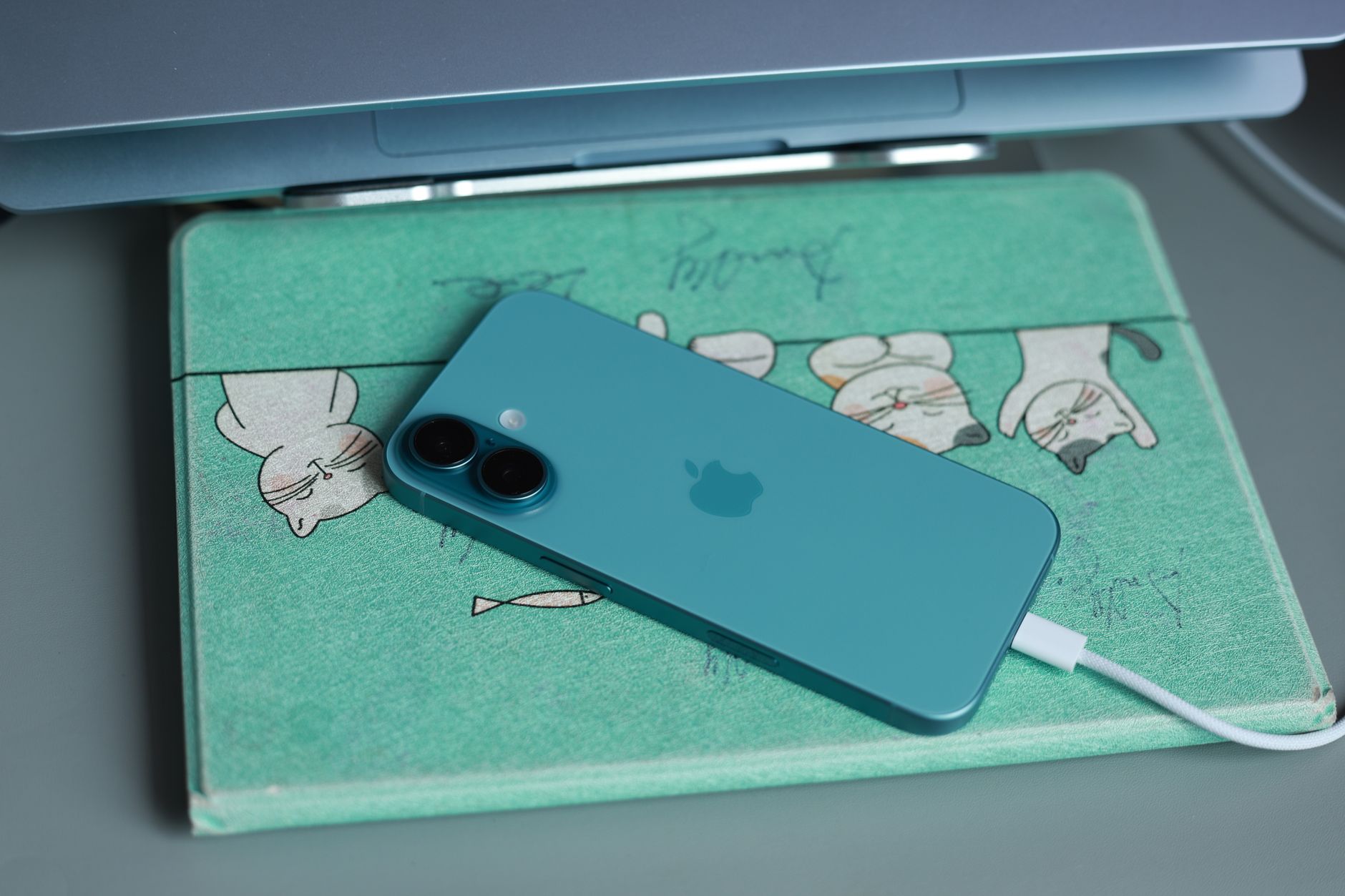
The markings should be clear, not blurry, and the text should be spelled correctly. Check the input and output ratings printed on the body. A genuine charger lists these in a way that matches the official specifications for your phone. A counterfeit often has numbers that do not make sense or spacing that looks off. If the text is smudged or the symbols are misaligned, that is a sign the manufacturer did not care about precision, which usually extends to the internals as well.
You can cross-check the listed voltage and amperage against what your phone manufacturer recommends. If the charger claims to deliver more power than your phone can accept, it might lack the communication protocol that lets the phone negotiate a safe level. Modern chargers use standards like USB Power Delivery to exchange information with the device and adjust the output accordingly. Chargers that skip this step can push too much current and damage your battery over time.
If the charger has no safety marks at all, or if the marks look like they were printed in someone’s garage, do not use it. This check takes ten seconds and filters out the worst offenders.
Inspect the Build Quality and Physical Components
Pick up the charger and feel the weight. A genuine charger contains a transformer, filtering components, and protective circuits, which give it a solid heft. Extremely light chargers are often missing these parts. You do not need a scale. Just compare it to a charger you know is real, or notice if it feels hollow.
Look closely at the casing. Run your finger along the seams. Rough edges, gaps where the plastic halves meet, or sharp points are signs of low-quality molding. Check the pins. On a fake charger, they might be made of hollow plastic instead of solid metal, or they might feel loose in the housing. Some counterfeits have a glossy, uneven finish on the metal parts, whereas genuine pins are usually matte and uniform.
Measure the distance from the edge of the charger to the pins. There should be adequate clearance to prevent accidental contact when you plug it in or pull it out. The safe minimum is typically around 9.5 mm. If the pins sit too close to the edge, you risk a shock if your finger slips.
Inspect the USB port itself. It should fit snugly when you insert the cable. A port that is too loose or too tight, or one that sits at an angle, suggests poor manufacturing tolerances. Misaligned ports can damage the cable connector over time and create a poor electrical connection, which leads to heat buildup.
If the charger passes these checks, it is at least built with some care. If it fails any of them, return it or throw it out.
Watch How the Charger Behaves During Use
Plug the charger in and let it run for a few minutes. It will get warm. That is normal. But it should not get so hot that you cannot hold it comfortably in your hand. If it is too hot to touch, unplug it. Excessive heat means something inside is working inefficiently, or a component is failing. Either way, it is a fire risk.
Listen for sounds. A faint hum is sometimes normal, especially in older or cheaper chargers, but a loud buzzing or high-pitched whine is not. That noise usually means the internal coils or capacitors are vibrating, which can indicate poor insulation or a component under stress. If the noise gets louder over time, stop using the charger.
Pay attention to how your phone behaves while charging. If the charging speed varies wildly without explanation, or if the phone’s touchscreen becomes unresponsive or jittery while plugged in, the charger might be delivering inconsistent voltage. Some counterfeit chargers create electrical noise that interferes with the touchscreen’s capacitive sensing. This is not just annoying. It is a sign the charger lacks proper filtering and grounding.
Check the cable as well. Frayed wires, bent or corroded connectors, and splits in the insulation all create hazards. A damaged cable can short out, overheat, or deliver power unevenly. Replace cables when they show wear, even if the charger itself is fine.
These checks are easier if you test the charger with a device you do not rely on every day. If something goes wrong, you would rather lose an old tablet than your main phone.
Buy from Reputable Sources and Avoid Unrealistic Prices
If a charger costs a fraction of what the official one costs, ask why. Genuine components and proper testing cost money. A charger priced well below market rate is cutting corners somewhere, and those corners are usually safety features you cannot see. Street vendors and unverified online marketplaces are common sources of counterfeits. So are listings with vague brand names or no brand at all.
Stick to authorized sellers. Buy directly from the phone manufacturer, or from retailers that have a return policy and a reputation to protect. Testing by major publications can help identify which third-party brands consistently meet safety standards, but even then, check the seller to make sure you are getting the real product and not a copy.
If you do end up with a charger you suspect is fake, do not just throw it in the trash. Some local waste facilities have programs for disposing of electronic components safely. A charger with a faulty battery or capacitor can be a hazard even when it is no longer in use.
Summary
A safe phone charger is not complicated, but it does require a handful of specific features that cheap counterfeits leave out. Safety certifications like UL, CE, or MFi tell you the charger has been tested. Solid build quality, clear markings, and proper pin clearance tell you it was made with care. Behavior during use, especially heat and noise, tells you whether the internals are functioning as they should. And buying from a reputable source reduces the chance you will end up with a fake in the first place.
Most people do not bother checking any of this. They grab whatever is cheapest or closest. That works until it does not. The consequence might be a dead battery, or it might be a fire. The checks in this article take a few minutes total, and they filter out the chargers that are genuinely risky. If you rely on your phone, and if you charge it overnight near anything flammable, those few minutes are worth it.
FAQs
Can I use a charger with a higher wattage than my phone supports?
Yes, as long as the charger supports a communication standard like USB Power Delivery. The phone and charger negotiate the safe voltage and current level, so the phone will only draw what it needs. Chargers without this protocol might deliver too much power and damage the battery. Check that the charger is certified and lists the correct output range for your device.
Why does my phone charge slowly with some chargers?
The charger might not support the fast-charging standard your phone uses, or the cable might be damaged or incompatible. Some cheap cables lack the wiring for data communication, which prevents the charger from negotiating higher power levels. Swap the cable first, then test with a different charger to isolate the problem.
Is it safe to use a charger that gets warm but not hot?
Mild warmth is normal. Chargers convert alternating current to direct current, and that process generates some heat. If you can hold the charger comfortably in your hand after it has been plugged in for a while, it is fine. If it is too hot to touch, unplug it and stop using it.
Do all counterfeit chargers fail safety standards?
Most do. Counterfeit chargers skip expensive components like proper transformers, fuses, and insulation to cut costs. They often print fake certification marks to look legitimate. Even if a counterfeit charger works at first, it lacks the internal safety features that prevent catastrophic failure if a component breaks.
How can I tell if a charger is damaging my phone’s battery?
Look for signs like the battery draining faster than usual, the phone getting unusually hot during charging, or the battery percentage jumping erratically. If the phone’s battery health metric, available in most phone settings, shows accelerated degradation, the charger might be delivering inconsistent voltage. Switch to a certified charger and monitor whether the problem continues.